Neurofeedback for Migraines: A Natural Approach to Pain Relief
By Connected Brain Neurofeedback ·
Understanding Neurofeedback and Its Role in Migraine Relief
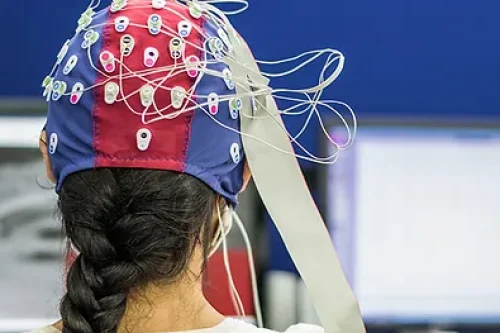
Neurofeedback is a form of brain training that uses real-time monitoring of brainwave activity to help individuals learn how to self-regulate their brain function. During a neurofeedback session, sensors are placed on the scalp to record brainwave patterns. When irregular activity associated with migraines is detected—such as overactivation in pain-related regions—the system provides feedback, allowing the brain to gradually adjust and restore balance.
Migraines are often linked to dysfunction in the brain’s sensory and pain-processing networks. By retraining these networks, neurofeedback helps decrease hyperexcitability in the cortex and stabilizes brainwave rhythms that contribute to migraine onset. Over time, this training can reduce both the frequency and intensity of migraine attacks.
Benefits of Neurofeedback for Migraine Relief
- Non-Medication Approach: Neurofeedback offers a drug-free alternative for those who cannot tolerate or prefer to avoid long-term medication use.
- Reduction in Frequency and Severity: Studies show that consistent neurofeedback training can lead to fewer migraine episodes and less intense pain.
- Improved Stress Regulation: Since stress is one of the most common migraine triggers, neurofeedback’s ability to enhance relaxation and emotional control can be highly beneficial.
- Better Sleep and Focus: By promoting brainwave balance, neurofeedback often improves sleep quality and cognitive performance, helping prevent migraine triggers.
Scientific Evidence Supporting Neurofeedback for Migraines
Research has demonstrated that individuals who undergo neurofeedback therapy often experience sustained improvements in migraine symptoms. By teaching the brain how to regulate itself, neurofeedback addresses the underlying neurological instability rather than just masking pain.
A 2020 review published in Applied Psychophysiology and Biofeedback highlighted that neurofeedback can effectively reduce chronic migraine symptoms by stabilizing the alpha and beta wave patterns involved in pain processing. Similarly, studies from The Journal of Headache and Pain report decreased migraine frequency and improved quality of life among patients who completed neurofeedback protocols.
 Who Can Benefit from Neurofeedback for Migraine Relief
This therapy is suitable for individuals who experience chronic migraines, tension headaches, or medication-overuse headaches. It’s also a valuable option for people who experience migraine-related anxiety or sleep disturbances, as neurofeedback addresses both the physical and emotional aspects of pain.
Take Control of Your Pain Naturally
Migraines can feel unpredictable and overwhelming, but your brain has the capacity to change and heal. At Connected Brain Neurofeedback, we specialize in helping clients find lasting relief through neurofeedback for migraine relief. By retraining your brain’s pain response, we help you achieve greater stability, focus, and overall well-being.
Schedule a free consultation today to explore how neurofeedback can help you manage migraines naturally and regain control over your life.
- The Journal of Headache and Pain – Provides studies showing how neurofeedback reduces migraine frequency and improves neurological stability.
- Applied Psychophysiology and Biofeedback – Features research supporting the role of neurofeedback in managing chronic pain and migraine symptoms.
- Harvard Health Publishing – Discusses how neurofeedback promotes better brain regulation and relaxation, benefiting conditions like migraines.
Curious whether neurofeedback could help you? Book a free consultation or read how neurofeedback works. For talk-based support, we recommend Knot Counseling.