Neurofeedback for a calmer, more focused, better-rested you
Neurofeedback is gentle brain training. Sensors listen to your brain while you watch a show or listen to music, and your brain practices settling into steadier patterns. No needles. No pain. Nothing goes in.
Lakewood, Colorado · Led by Sydney Focht, MA, LPC
What is neurofeedback, and why do people choose it?
Think of it as exercise for your brain. You get live feedback, so your brain can learn to find calm and focus more easily.
Many of the things that wear us down, like racing thoughts, a short fuse, poor sleep or trouble paying attention, are tied to how our brains handle stress. Neurofeedback helps your brain practice a steadier pattern. It does not use medicine, and it does not hurt.
Benefits people look for
- A calmer, steadier mood
- Sharper focus and attention
- Easier sleep and more restful nights
- Less jumpiness and fewer stress reactions
- No needles, no shocks, nothing goes into your brain
- Skills your brain keeps practicing, with progress checks along the way
Results vary from person to person, and we cannot promise a specific outcome.
What we offer
Every plan is built around you. Most people start with a free consultation. A brain map comes next, since it is required to start a plan. Then we begin with the basics, like sleep.
Brain map (qEEG)
Required to start a plan. The visit can take around an hour, with the reading done during that time, plus intake forms and questionnaires.
Neurofeedback sessions
About 30 minutes, two to three times a week, in our Lakewood office.
Sleep-focused training
Training and habits aimed at deeper, steadier sleep. Often the best first step.
At-home options
Ask us whether training at home is a good fit for your goals and schedule.
Our four main focus areas
These are the areas we treat most often. Neurofeedback can help in many other areas too, so please ask.
ADHD
Focus, attention and restless minds
Learn about treatmentPTSD and Trauma
Feeling safe and steady again
Learn about treatmentAnxiety
Worry, panic and a body that will not relax
Learn about treatmentPerformance
Sports, school, work and the creative mind
Learn about treatmentSleep comes first, more often than you would think
Sleep is often the most under-rated need, and one of the best places to start. When we work on healthy, steady sleep, other symptoms often ease too. For some people, better sleep ends up being the main treatment.
How it works, in three steps
A session is quiet and simple. You sit, relax, and let your brain do the learning.
Sensors go on
Small sensors rest on your head. They only listen. Nothing goes in.
You relax and watch or listen
Pick a show or music. The picture and sound respond to your brain.
Your brain learns
When your brain settles into steadier patterns, the picture stays clear. Practice builds the habit.
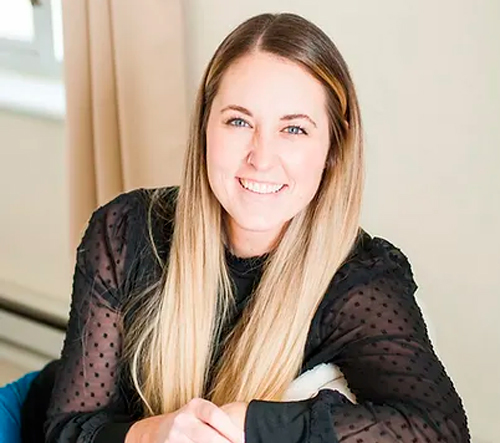
Meet Sydney Focht, your BCIA certified neurofeedback specialist
Sydney Focht, MA, LPC · BCIA Certified · Neurofeedback Clinician and Brain Map Specialist
BCIA certified
Sydney is certified by the Biofeedback Certification International Alliance (BCIA), the main certifying body for biofeedback and neurofeedback providers. BCIA certification means a provider has met education and training standards and keeps learning through continuing education. You can learn more about BCIA, or look up a practitioner, at bcia.org.
Sydney leads our neurofeedback and brain mapping work. She cares about helping you see real, everyday change in how you handle stress, focus, mood and sleep. She pairs data-informed brain training with a warm, down-to-earth style, so you always know what we are doing and why.
Her aim is a space where you can be yourself, with no pressure and no need to be perfect. You feel safe, seen and supported while you figure out what works for you. Clients describe her as focused, compassionate, nonjudgmental and down-to-earth.
What Sydney focuses on
How she works
Sydney is person-centered and draws on Motivational Interviewing, cognitive-behavioral and Internal Family Systems approaches. She holds a master’s degree (MA) and is a Licensed Professional Counselor (LPC) in Colorado.
Questions we hear a lot
What is neurofeedback?
Neurofeedback is gentle brain training. Small sensors rest on your head and listen to your brain's natural rhythms. You watch a show or listen to music, and the picture or sound changes as your brain settles into steadier patterns. Nothing goes into your brain, and it does not hurt.
Does neurofeedback hurt, or is it safe?
It is painless. The sensors only listen. Most people feel relaxed during a session. Some feel a little tired or a little wired afterward, which usually passes. Tell us how you feel and we will adjust.
How many sessions will I need?
Sessions are about 30 minutes, and most people train two to three times a week. Our plans are built around 40 sessions, and we check your progress about every 10. Some people choose to continue beyond 40, with changes to their program and desired outcomes. We talk through your plan before you start.
What can neurofeedback help with?
People come to us for focus and attention (ADHD), anxiety and constant worry, trauma and PTSD, poor sleep, and performance goals in sports, school and work. Results vary from person to person, and we do not promise a cure or a specific outcome.
Do you take insurance?
No. Sessions are private pay. Some people can use an HSA or FSA, so check with your plan. Ask us on your free consultation and we will explain costs plainly.
How do I get started?
Book a free consultation. We will talk about your goals, answer questions, and help you decide whether neurofeedback is a good fit.
Neurofeedback in Lakewood, serving West Denver
Our office is in Lakewood. People also come to us from Wheat Ridge, Golden, Morrison, Littleton and Englewood.
From our blog

6 Benefits of Neurofeedback for Kids
Discover 6 benefits of Neurofeedback for kids: better focus, emotional regulation, less anxiety, improved sleep, and ADHD support.
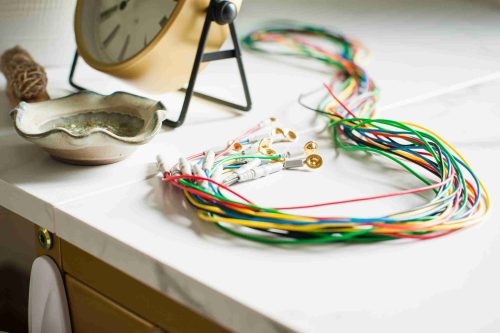
Brain Mapping and Its Role in Treating Depression
qEEG brain mapping helps identify depression-related brainwave patterns, supporting personalized, non-invasive treatment and menta…

Brain Mapping for Tailored Autism Interventions
Explore how brain mapping helps create personalized autism interventions, improving communication, behavior, and overall developme…
Looking for talk-based support too? Many people pair brain training with someone to talk to. We recommend Knot Counseling in Lakewood for counseling and support, and we are happy to help you line up both.
Ready to see if neurofeedback is a fit?
Book a free consultation. We will talk about your goals, answer your questions, and explain the next steps in plain words.
Book a free consultationOr call (720) 634-3004