Using Neurofeedback for ADHD: Alleviate Symptoms Without Medication
By Connected Brain Neurofeedback ·
What Is Neurofeedback?
Neurofeedback for ADHD is a form of biofeedback that helps individuals train their brainwaves for improved self-regulation. By monitoring real-time electrical activity in the brain, a trained therapist guides the client through exercises that reinforce healthy patterns of brain function. Over time, this encourages more consistent attention, emotional control, and executive functioning.
ADHD and Brainwave Dysregulation
Research shows that individuals with ADHD tend to have abnormal patterns of brain activity, including:
- Elevated theta waves, associated with daydreaming and inattention
- Reduced beta waves, which are linked to focus and cognitive processing
- Frontal lobe dysregulation, leading to impulsivity and poor task management
Neurofeedback targets these patterns, helping the brain become more efficient and self-regulating.
How Neurofeedback Works for ADHD
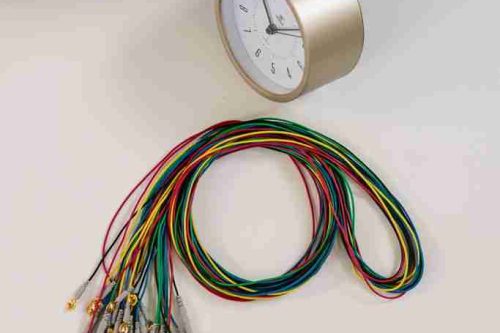
During a session, sensors are placed on the client’s scalp to measure brainwave activity. A screen displays this information in real time through visual or auditory feedback—often in the form of a video game, puzzle, or animation. When the brain produces optimal activity, the system rewards it. When it drifts into inefficient patterns, feedback stops. Over multiple sessions, the brain learns to maintain healthier states on its own.
Key Benefits of Neurofeedback for ADHD
- Improved attention span and focus
- Reduced impulsivity and hyperactivity
- Better emotional regulation
- Enhanced sleep quality
- Decreased reliance on medication
Families and adults seeking long-term, drug-free options often turn to neurofeedback for ADHD as a complementary or standalone therapy.
Neurofeedback for All Ages
Neurofeedback for ADHD is effective for both children and adults. While children often respond quickly due to neural plasticity, adults can also retrain their brain and gain tools for long-term focus and self-regulation. It’s a safe, gentle approach that builds real neurological change.
- Neurofeedback and ADHD: A Review – Overview of clinical findings supporting neurofeedback use. Link
- ADHD Brainwave Patterns and Neurotherapy – Research on EEG findings in individuals with ADHD.
- American Academy of Pediatrics Report on Biofeedback and ADHD – Neurofeedback classified as Level 1 “Best Support” treatment.
Take Control of ADHD—Naturally
If you or your child struggles with attention, focus, or impulsivity, neurofeedback might be the answer. At Connected Brain Neurofeedback, we provide personalized neurofeedback for ADHD that supports sustainable results. Schedule a free consultation today and explore how brain-based therapy can improve your everyday life.
Curious whether neurofeedback could help you? Book a free consultation or read how neurofeedback works. For talk-based support, we recommend Knot Counseling.